Getting Help With Long Island Foreclosure Before It’s Too Late
January 15, 2018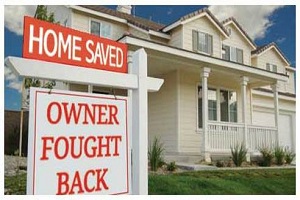 A recent article in the Wall Street Journal suggests that a surge in Nassau County, Long Island welfare recipients is due in part to a”rash of home foreclosures” that have hit the area. Losing a home to foreclosure is a traumatic experience, but there are things you can do to prevent this from happening.
Some of the ways that help you stop home foreclosure include:
- Taking legal action
- Taking advantage of government programs to assist homeowners
- Negotiating with your lender
- Selling your property
Taking legal action to save home from foreclosure Nassau County Long Island
If you believe you have been the victim of mortgage fraud, then you have recourse to legal remedies to stop mortgage foreclosure. For example, you may have heard of the recent controversy over “robot signing” in which companies cheat by not verifying information.
Another problem that has become very common since the start of the housing crisis involves phony foreclosure rescue scams. These companies target distressed owners promising to help them but instead end up putting the homeowner at greater risk of loss. In many cases, these operations will require that consumers sign their home titles to them or they will even charge you rent to stay in your own home.
Short sale fraud is another common problem that involves unscrupulous companies pretending to help you, but with the real intention of taking advantage of your situation. In such cases, the short sale company will misrepresent the actual value of your home in order to increase their profits.
If you suspect that you are the victim of fraud, then the best course of action is to seek the advice of property investment firm that specializes in this particular field.
Government assistance programs to help homeowners avoid foreclosure
A large number of programs are available that can help homeowners avoid foreclosure depending on their situation. These programs are part of the larger Making Home Affordable (MHA) Program that is administered by the U.S. Treasury Department and HUD, and they include the following:
- Home Affordable Modification Program (HAMP): With this program, you can lower your mortgage payment to 31 percent of your monthly pre-tax income.
- Principal Reduction Alternative (PRA): Reduces monthly payments for underwater mortgages by negotiating with lenders.
- Second Lien Modification Program (2MP): Monthly payment reduction for homeowners who have used the HAMP program to lower their payments and who have a second mortgage on the same home.
- Home Affordable Refinance Program (HARP): A refinancing program for those who are current on their payments and whose mortgages are underwater.
- Treasury/FHA Second Lien Program (FHA2LP): A voluntary program for homeowners with a second mortgage or those who are participating in the FHA Short Refinance program.
- Home Affordable Unemployment Program (UP): Assistance for unemployed homeowners. Provides reduction or suspension of mortgage payments for at least 12 months while you are seeking employment.
- Emergency Homeowners’ Loan Program (EHLP): Special program for homeowners in Connecticut, Delaware, Idaho, Maryland and Pennsylvania.
- FHA Forbearance for Unemployed Homeowners: The FHA requires lenders to forbear unemployed homeowners for 12 months.
- Home Affordable Foreclosure Alternatives (HAFA): For homeowners who are willing to move into new more affordable housing.
Be on the lookout for new programs, since the situation is very fluid due to the slow economy. For more information on government assistance that can help you avoid foreclosure, visit the following web page of the U.S. Department of Housing and Urban Development:
Negotiating with your lender to prevent home foreclosure
One way to prevent foreclosure is simply to prevent your lenders or loan servicers from filing a Notice of Default. Either you or your attorney can contact the lender directly in order to negotiate a settlement that will prevent foreclosure.
For example, you can ask the lender to forgive a missed payment with the promise that you will continue to make all your future payments on time. You could also ask the lender to simply give you more time to catch up on all your missed payments.
Other possibilities include:
- Negotiating a new loan known as a partial claim.
- Negotiating new terms on your loan that will make it easier for you to make your monthly payments.
- Ask to pay back missed payments in portions along with your regular payments. For example, if you are $2000 behind in payments, you could pay $200 a month in addition to your regular monthly mortgage payment for 10 months.
- Add your missing payments to your mortgage loan balance.
Selling your property to stop the foreclosure
Once a Notice of Default is on file, then you may have to consider options like selling your home. When the lender has filed for foreclosure, you will have a certain period in which you can pay up your account or stop the foreclosure through negotiations.
If you cannot reinstate your loan, then you can possibly sell your home before the lender auctions it off. You might also consider a short sale, but remember that you should be careful of fraudulent short sale scams.
Another option is deeding the home back to the lender. This involves serving the lender a notarized deed after which the lender forgives your mortgage. In such cases, your credit record will suffer just as much as if you had gone through foreclosure.
Seeking legal advice from a Property investment firm
As you can see the options available for saving your home are varied and can be quite complex. In order to help you sort out all the possible alternatives, it is a good idea to consult a legal professional.
While it may be tempting to “do it yourself” in order to save money, this course can often end up in you missing opportunities to avoid foreclosure. A good attorney or property investment firm in the Nassau County, Long Island area will have the experience and expertise needed to ensure that you avail of all possible options to save your home.
In many cases, you may need to take action in court, so you will still need an attorney or take proper guidance from a foreclosure expert. In the end, you will likely save money by seeking professional legal advice.
Getting Help with Long Island Foreclosure Before it’s too Late Provided to you by the Whistle Homes. For more information, please visit Long Island Foreclosure expert Whistle Homes